
mappa metro los angeles pdf
Los Angeles Metro Map: A Comprehensive Guide (2026)
Today, March 31st, 2026, access the detailed Los Angeles metro map in PDF format for seamless navigation across Los Angeles, Riverside, and Ventura counties.
The Los Angeles County Metropolitan Transportation Authority (Metro) operates a vast, multi-modal transportation network serving Los Angeles County and beyond. This system encompasses six Metro Rail Lines, an extensive bus network, and several Metro Busway lines, connecting diverse communities from Santa Monica to East Los Angeles, and even extending into neighboring counties like Riverside, San Bernardino, Ventura, and Orange.
Understanding the LA Metro map PDF is crucial for efficient travel; The system has undergone significant expansion, particularly with extensions to the Purple Line, enhancing connectivity throughout the region. Key hubs like 7th/Metro Center and Union Station facilitate seamless transfers between rail and bus services. The network provides access to vital destinations including LAX, Downtown LA, and numerous cultural and employment centers.
Whether you’re a resident or a visitor, mastering the Metro map empowers you to navigate Los Angeles effectively, avoiding traffic congestion and embracing a sustainable transportation option. The downloadable PDF map is an invaluable resource for trip planning and exploring all that Southern California has to offer.
Understanding the LA Metro Map PDF
The LA Metro map PDF is your essential guide to navigating Los Angeles’ complex public transportation system. This downloadable resource visually represents all rail lines – Red, Purple, Gold, Green, Blue, and Expo – alongside the Busway lines like Silver and Orange (G Line). It clearly delineates key stations, transfer points such as 7th/Metro Center and Union Station, and connections to regional destinations.
Interpreting the map’s symbols and colors is key. Each rail line is assigned a distinct color, simplifying route identification. Symbols indicate transfer stations, airport access (LAX/Metro Transit Center), and connections to Metrolink for broader regional travel. The map also showcases service areas extending into Riverside, San Bernardino, Ventura, and Orange Counties.
Downloading and utilizing the PDF allows for offline access and convenient trip planning. Familiarize yourself with the map to confidently navigate between locations like Chatsworth, Santa Monica, Long Beach, and beyond. It’s a vital tool for both residents and tourists seeking efficient and affordable transportation.
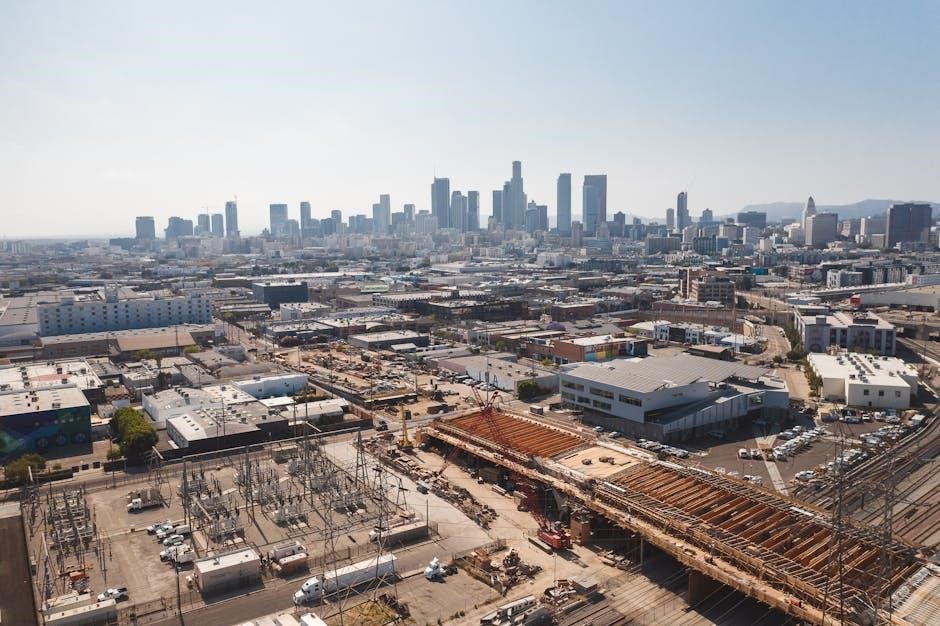
Metro Rail Lines: Detailed Overview
Explore the LA Metro’s rail network, encompassing the Red, Purple, Gold, Green, Blue, and Expo Lines, connecting vital areas across Los Angeles County and beyond.
Red Line: North Hollywood to Downtown LA
The Red Line is a cornerstone of the LA Metro Rail system, providing crucial transportation from North Hollywood to Downtown Los Angeles. This heavily utilized line serves numerous key destinations, including Universal City, Hollywood & Highland, and Pershing Square.
Passengers can efficiently commute between the San Fernando Valley and the urban core, bypassing significant traffic congestion. Key stations along the route facilitate connections to other lines, such as the Purple Line at 7th/Metro Center, enabling seamless transfers;
The Red Line’s frequency and reliability make it a preferred choice for both daily commuters and visitors exploring the city. It’s a vital link for accessing entertainment venues, business districts, and residential neighborhoods. Understanding the Red Line’s route is essential for navigating Los Angeles effectively, and the downloadable PDF map provides a clear visual guide.
Purple Line: Downtown LA Extensions & Future Development
The Purple Line, currently serving Downtown Los Angeles, is undergoing significant expansion to enhance connectivity throughout the region. Recent extensions are dramatically improving access to areas west of Downtown, including Wilshire/Western and Wilshire/La Cienega.
Future development phases aim to extend the line further westward, ultimately reaching Westwood and potentially beyond, offering a vital transportation link to UCLA and surrounding communities. These expansions are crucial for alleviating traffic congestion along Wilshire Boulevard, a major east-west corridor.
The PDF map reflects these ongoing changes, providing updated route information for passengers. The Purple Line’s growth signifies a commitment to expanding the LA Metro Rail network and improving regional mobility. Staying informed about these developments, through resources like the downloadable map, is key for efficient travel planning.
Gold Line: East Los Angeles to Azusa
The Gold Line, now extending from East Los Angeles to Azusa, provides crucial transportation links to the San Gabriel Valley. This line serves numerous communities, including Pasadena, Monrovia, and Duarte, offering a convenient alternative to freeway travel. The downloadable LA Metro map PDF clearly illustrates the Gold Line’s route and station locations.
Key destinations along the Gold Line include the APU/Citrus College station, facilitating access for students and faculty. The line connects with other Metro Rail lines at Union Station, enabling seamless transfers for commuters traveling across the county.
Regular updates to the PDF map ensure passengers have the most current information regarding schedules and potential service adjustments. The Gold Line’s continued success demonstrates the importance of investing in public transportation infrastructure within Los Angeles County and beyond, connecting communities efficiently.
Green Line: Redondo Beach to Norwalk
The Green Line stretches from Redondo Beach to Norwalk, serving communities in the South Bay and Gateway Cities regions. This vital rail link offers a direct connection between coastal areas and inland destinations, reducing traffic congestion on the 405 and other major thoroughfares. The comprehensive LA Metro map PDF visually details the Green Line’s entire route, including all station stops.
Passengers can easily access popular locations like Del Amo Station, providing connections to local bus lines. The Green Line intersects with other Metro Rail lines, allowing for convenient transfers to reach Downtown Los Angeles and other key areas.
The PDF map is regularly updated to reflect any service changes or construction impacts, ensuring riders have accurate information. Utilizing the Green Line contributes to a more sustainable transportation system within Los Angeles County, promoting accessibility and reducing reliance on personal vehicles.
Blue Line: Downtown LA to Long Beach
The Blue Line provides a crucial transportation corridor between Downtown Los Angeles and Long Beach, serving a densely populated region along its route. This line is a cornerstone of the LA Metro system, offering frequent service and connecting riders to employment centers, educational institutions, and recreational destinations. The detailed LA Metro map PDF clearly illustrates the Blue Line’s path and station locations.
Key stops include Pico Station, offering connections to other bus routes, and the 1st Street Station in Long Beach, providing access to the city’s vibrant waterfront. The PDF map highlights transfer points to other rail lines, facilitating seamless travel across the county.
Regularly updated, the map ensures riders have the most current information regarding schedules and potential service disruptions. Choosing the Blue Line supports a greener transportation future for Los Angeles County, reducing traffic and improving air quality;
Expo Line: Downtown LA to Santa Monica
The Expo Line delivers convenient rail service from Downtown Los Angeles directly to Santa Monica, connecting urban centers with the iconic coastal city. This line is incredibly popular with tourists and commuters alike, offering a scenic and efficient alternative to driving. The comprehensive LA Metro map PDF visually details the Expo Line’s route, showcasing all station stops along the way.
Notable stations include the Culver City Station, a hub for local businesses and entertainment, and the 7th Street/Metro Center, providing crucial transfers to other rail and bus lines. The PDF map clearly indicates these transfer opportunities, simplifying trip planning.
Utilizing the Expo Line reduces congestion on the 405 freeway and promotes sustainable transportation options. The regularly updated map ensures riders have access to the latest schedule information and service alerts.

Metro Busway Lines: Connecting the Region
The LA Metro map PDF highlights Busway lines like Silver and Orange (G Line), extending reach from El Monte to Chatsworth, enhancing regional connectivity.
Silver Line: El Monte to Downtown LA
The Silver Line, prominently featured on the LA Metro map PDF, provides a crucial rapid transit connection between El Monte and the bustling core of Downtown Los Angeles; This busway line serves a significant corridor, offering a vital alternative to congested freeway travel for commuters and visitors alike.
Originally known as the San Pedro Line, it now extends service significantly eastward. The LA Metro map PDF clearly illustrates the Silver Line’s route, showcasing key stops along its path. Passengers can efficiently travel from the eastern San Gabriel Valley directly into the heart of LA, accessing major employment centers, cultural attractions, and transfer points like 7th/Metro Center.
Understanding the Silver Line’s route via the LA Metro map PDF is essential for effective trip planning. It’s a cornerstone of the Metro’s busway network, demonstrating a commitment to expanding rapid transit options throughout Los Angeles County and beyond, connecting to areas like San Bernardino County.
Orange Line (G Line): Chatsworth to North Hollywood
The Orange Line, now officially designated as the G Line, is a vital component of the Los Angeles Metro system, clearly depicted on the comprehensive LA Metro map PDF. This bus rapid transit line stretches from Chatsworth in the San Fernando Valley to North Hollywood, serving a densely populated corridor and offering a crucial alternative to vehicular traffic.
The LA Metro map PDF highlights the G Line’s numerous stations, facilitating easy access to key destinations throughout the Valley. It connects residential areas with major employment centers, entertainment venues, and transfer points to other Metro Rail and Busway lines. Passengers can efficiently navigate the Valley without relying on congested freeways.
For effective trip planning, referencing the LA Metro map PDF is essential. The G Line’s route, alongside other lines connecting to Ventura County, demonstrates the Metro’s dedication to expanding rapid transit options and improving regional connectivity throughout Los Angeles County.
Rapid Bus Lines & Local Services
Beyond the core rail and busway network, the Los Angeles Metro system boasts an extensive array of rapid bus lines and local services, all meticulously detailed on the downloadable LA Metro map PDF. These lines provide crucial connections within communities and to the broader regional network, enhancing accessibility for all residents.

The LA Metro map PDF clearly distinguishes rapid bus lines – offering limited stops and signal priority – from local services, which serve a wider area with more frequent stops. Understanding these distinctions is key to efficient trip planning. Lines like the Silver Line (El Monte to Downtown LA) are prominently featured, showcasing the system’s reach.
Utilizing the LA Metro map PDF allows riders to identify local bus routes serving neighborhoods not directly accessed by rail or busway lines. This comprehensive network, combined with the detailed map, ensures convenient and affordable transportation options throughout Los Angeles County, including connections to areas like San Pedro and Duarte.
Key Stations & Transfers
The LA Metro map PDF highlights vital transfer points like 7th/Metro Center, Union Station, and LAX/Metro Transit Center for seamless connections across lines.
7th/Metro Center: A Major Transfer Hub
As depicted on the LA Metro map PDF, 7th/Metro Center stands as the pivotal core of the entire Los Angeles County Metropolitan Transportation Authority (Metro) system. This bustling station facilitates effortless transfers between the Red, Purple, Blue, and Expo Lines, making it an indispensable node for commuters throughout the region.
Strategically located in Downtown Los Angeles, 7th/Metro Center provides convenient access to numerous destinations, including business districts, cultural attractions, and entertainment venues. The station’s layout, clearly illustrated in the downloadable PDF map, is designed for efficient passenger flow, minimizing walking distances between platforms.
Beyond rail connections, 7th/Metro Center also serves as a significant hub for Metro bus lines, further expanding its reach and connectivity. Utilizing the LA Metro map PDF, passengers can easily plan their journeys, identifying optimal transfer points and estimated travel times. The station’s prominence is underscored by its role in connecting diverse communities across Los Angeles County.
Union Station: Connecting Rail & Bus Services
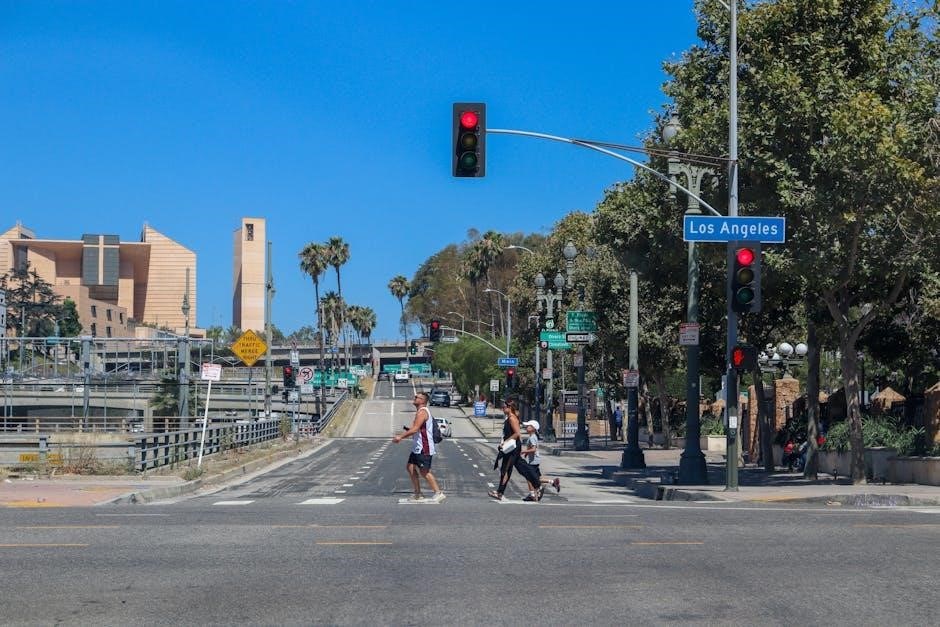
Referencing the LA Metro map PDF, Union Station emerges as a historic and crucial transportation nexus, seamlessly integrating regional rail, Metro rail, and extensive bus services. This architectural landmark, prominently featured on the map, serves as a gateway to Los Angeles, connecting commuters from across Southern California and beyond.
The station facilitates transfers between Metro’s Red, Purple, and Gold Lines, alongside Metrolink commuter rail and Amtrak intercity services. The detailed PDF map highlights the station’s complex layout, guiding passengers to their desired platforms and connections. Union Station’s bus terminal provides access to numerous Metro bus routes, extending the network’s reach throughout Los Angeles County.
Planning a journey via Union Station is simplified with the downloadable LA Metro map PDF, allowing for efficient route planning and minimizing transfer times. Its central location and comprehensive connectivity make it a vital hub for both daily commuters and visitors exploring the region.
LAX/Metro Transit Center: Airport Access
Consulting the LA Metro map PDF, the LAX/Metro Transit Center represents a pivotal connection point for travelers accessing Los Angeles International Airport (LAX) via public transportation. This center, clearly indicated on the map, streamlines airport access, offering a convenient alternative to vehicular traffic.
The center is served by the C Line (Green Line), providing direct rail access to and from LAX. The detailed PDF map illustrates the transfer process, guiding passengers from the Green Line platform to the airport terminals via a free shuttle service. This shuttle connection is prominently displayed on the map for easy navigation.
Utilizing the downloadable LA Metro map PDF allows for pre-trip planning, ensuring a smooth and efficient journey to or from LAX. The center also connects to various bus lines, expanding transportation options. Its strategic location and integrated services make it a crucial component of the LA Metro system, as shown on the map.
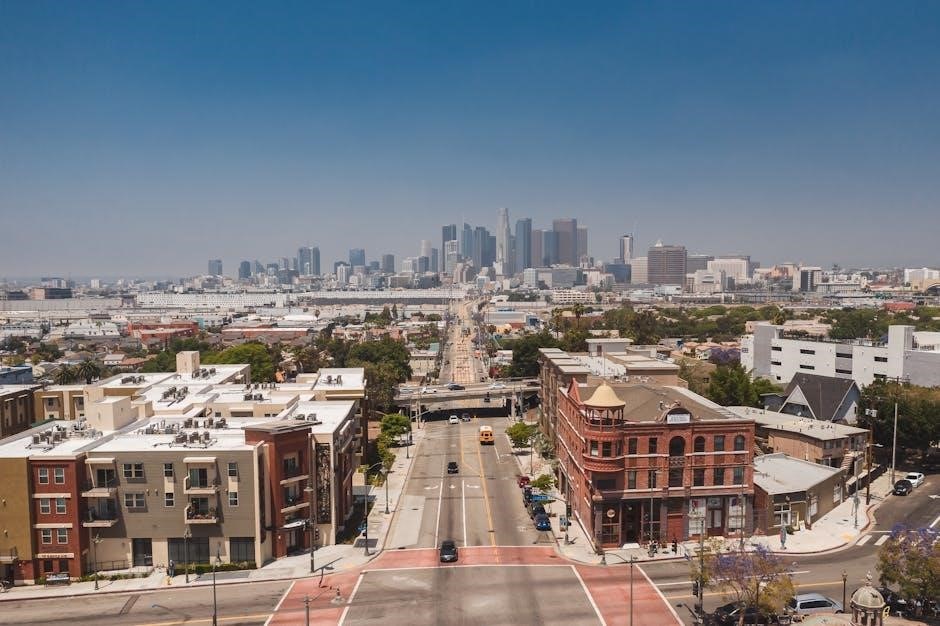
Navigating with the LA Metro Map PDF
The Los Angeles Metro map PDF facilitates easy trip planning, offering downloadable and printable versions for convenient access to routes and station locations.
Downloading and Printing the PDF Map
Accessing the Los Angeles Metro map in PDF format is remarkably straightforward, ensuring riders have a readily available resource for planning their journeys. The official Metro website hosts the most current version, easily downloadable to smartphones, tablets, or computers. Simply navigate to the “Maps” or “Plan Your Trip” section of the website to locate and download the PDF file.
For those preferring a physical copy, printing the map is equally simple. The PDF is optimized for standard letter-size paper (8.5 x 11 inches), ensuring clear readability. Consider printing in color to fully utilize the map’s color-coded lines and symbols. High-resolution printing is recommended for optimal clarity, especially when detailing transfer points and station locations. Having a printed map is particularly useful for areas with limited cell service or for riders who prefer a tactile navigation experience. Regularly check for updated versions online, as routes and station information can change.
Interpreting Map Symbols and Colors
Decoding the Los Angeles Metro map’s visual language is crucial for efficient travel. Each rail line is distinctly represented by a specific color – Red, Purple, Gold, Green, Blue, and Expo – facilitating quick identification. Busway lines, like the Silver and Orange (G) Lines, also have dedicated colors. Stations are marked with clear symbols, differentiating between rail stations and bus stops.
Transfer stations, vital for connecting lines, are highlighted with a unique symbol indicating multiple line access. Icons denote key destinations like LAX, Union Station, and major transfer hubs such as 7th/Metro Center. Symbols also represent regional connections to Riverside, San Bernardino, Ventura, and Orange Counties. Pay attention to the map’s legend, which provides a comprehensive explanation of all symbols and colors used. Understanding these visual cues empowers riders to confidently navigate the extensive Metro network and plan seamless journeys throughout the greater Los Angeles area.
Using the Map for Trip Planning
Effectively utilizing the LA Metro map PDF begins with identifying your origin and destination. Locate these points on the map and determine the most direct route, considering potential transfers. The map clearly displays all rail and busway lines, allowing you to visualize your journey. Pay close attention to line colors and station names to ensure accurate route selection.
For complex trips involving multiple lines, identify key transfer stations like 7th/Metro Center or Union Station. Estimate travel time based on the distance between stations and the frequency of service. Remember to factor in walking time between platforms during transfers. The map also indicates connections to regional transportation options in Riverside, San Bernardino, Ventura, and Orange Counties. Download the PDF to your device for offline access, ensuring convenient trip planning even without an internet connection.
Beyond the Core: Regional Connections
The LA Metro map PDF illustrates connections extending beyond Los Angeles County, reaching Riverside, San Bernardino, Ventura, and Orange County transit networks.
Riverside County Connections
The Los Angeles Metro map PDF details limited, yet crucial, connections extending into Riverside County, primarily focusing on commuter access to Los Angeles. Currently, the primary linkage involves bus routes originating from key Riverside County hubs like Moreno Valley and Perris, connecting passengers to Metro Rail lines at stations such as Downtown LA’s Union Station.
Future expansions, though not fully detailed in the current 2026 map, are anticipated to enhance these connections. Discussions include potential extensions of the Metro Rail system eastward, possibly reaching cities like San Bernardino and even further into Riverside County. The map also indicates connections to destinations like Duarte and Montclair.
However, reliance on bus transfers remains significant for most Riverside County residents seeking access to the broader LA Metro network. The PDF map highlights these transfer points, aiding commuters in planning their journeys effectively. It’s important to consult the latest updates as regional transportation plans evolve.
San Bernardino County Connections
The Los Angeles Metro map PDF illustrates San Bernardino County’s integration with the regional transit network, largely through bus services connecting to key railheads. Commuters from cities like San Bernardino and Rancho Cucamonga primarily utilize these bus lines to reach stations like Union Station in Downtown LA, facilitating transfers to Metro Rail lines.
The map highlights routes serving destinations such as Montclair, offering a crucial link for residents. While direct rail connections are currently limited, ongoing transportation projects propose potential extensions of the Gold Line eastward, aiming to directly serve San Bernardino County in the future. These expansions are noted as potential developments within the PDF documentation.
Currently, the PDF emphasizes the importance of utilizing the bus network for accessing the wider LA Metro system. Detailed route information and transfer points are clearly marked, assisting passengers in planning efficient commutes. Regularly checking for updates is advised, as plans are subject to change.
Ventura County Connections
The Los Angeles Metro map PDF details Ventura County’s connectivity, primarily reliant on bus routes linking to the Metro Rail system in Los Angeles County. Cities like Ventura, Oxnard, Camarillo, Simi Valley, and Moorpark depend on these bus connections, often transferring at stations like Chatsworth. The map clearly indicates these transfer points, aiding commuters in planning their journeys.
Currently, direct rail access from Ventura County is absent, but the PDF notes potential future expansions that could extend rail lines westward. These proposed developments are visually represented as planned routes within the document, offering a glimpse into potential improvements.
The PDF emphasizes the importance of utilizing the bus network, providing detailed schedules and route information for services connecting to the broader LA Metro system. Areas like Ocean Park, Marina Del Rey, and Santa Monica are shown as accessible via connecting routes. Passengers are encouraged to consult the latest version of the PDF for the most up-to-date information.
Orange County Connections
The Los Angeles Metro map PDF illustrates Orange County’s integration with the regional transit network, primarily through bus connections and limited rail links. The map highlights routes serving cities like Anaheim, Santa Ana, and Irvine, often requiring transfers within Los Angeles County. SNA (John Wayne Airport) is a key connection point, clearly marked on the PDF for convenient airport access.
While direct rail service is limited, the PDF showcases potential future expansions aimed at improving connectivity. Planned routes extending southward are visually represented, indicating long-term development goals. Currently, bus services provide the most frequent and accessible means of travel between Orange County and the core LA Metro system.
The PDF provides detailed bus schedules and route maps, facilitating seamless transfers at stations like Fullerton and Buena Park. Passengers can utilize the map to plan journeys connecting to destinations throughout Los Angeles, Riverside, and Ventura counties. Regularly updated versions of the PDF are recommended for accurate travel planning.
Leave a Reply
You must be logged in to post a comment.