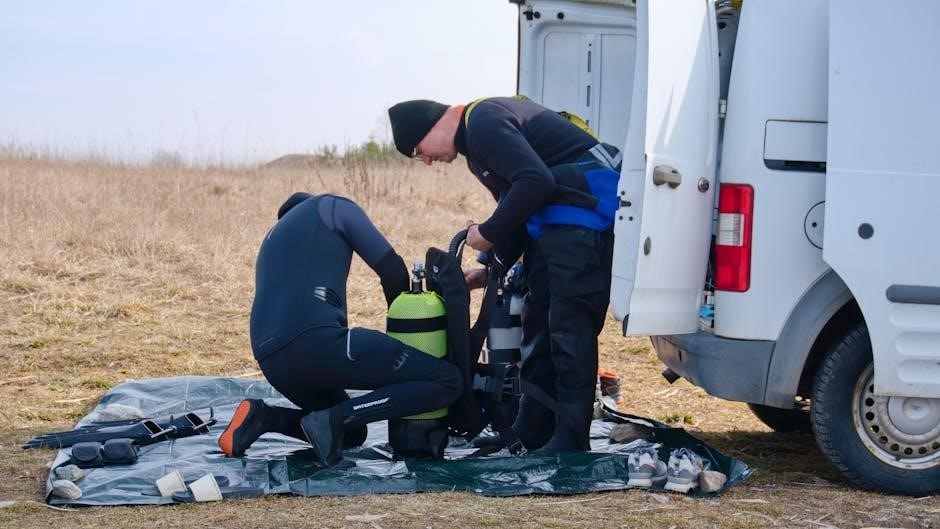
scuba diving wetsuit thickness guide
Scuba Diving Wetsuit Thickness Guide: A Comprehensive Overview
Navigating the underwater world demands appropriate thermal protection․ This guide details wetsuit thicknesses for various water temperatures‚ ensuring comfortable and safe scuba diving experiences․
Choosing the right wetsuit is crucial!
Understanding Wetsuit Basics
Wetsuits aren’t about keeping you completely dry; they’re designed to trap a thin layer of water between your skin and the suit․ Your body heats this water‚ creating a warm insulating layer․ Understanding this principle is fundamental to selecting the correct thickness for optimal thermal protection during scuba diving․
Most wetsuits are constructed from neoprene‚ a synthetic rubber known for its excellent insulating properties and flexibility․ The thickness of the neoprene is measured in millimeters (mm)‚ and you’ll often see suits described with dual thicknesses – for example‚ 3/2mm – indicating varying thicknesses in different body areas for enhanced flexibility and warmth․
A properly fitted wetsuit should feel like a second skin‚ minimizing water flushing․ Flushing occurs when cold water enters the suit‚ reducing its effectiveness․ Seams play a vital role; glued and blind-stitched seams are superior‚ minimizing water penetration compared to stitched seams․ Considering these basics will help you appreciate how wetsuit thickness impacts your dive comfort and safety․
What is Neoprene?
Neoprene is a synthetic rubber‚ a polymer created through the polymerization of chloroprene․ It’s the dominant material in wetsuit construction due to its exceptional thermal insulation and flexibility‚ crucial for scuba diving comfort․ Unlike natural rubber‚ neoprene exhibits excellent resistance to degradation from sunlight‚ ozone‚ and weather‚ ensuring durability․
The key to neoprene’s insulating properties lies in its cellular structure․ Tiny gas bubbles trapped within the material create a barrier that slows down heat transfer․ The thickness of the neoprene directly correlates to its insulating capability; thicker neoprene provides greater warmth․ Different neoprene formulations exist‚ impacting flexibility‚ stretch‚ and cost․
Recently‚ alternatives like Yulex natural rubber are gaining traction‚ offering a more sustainable option․ However‚ neoprene remains the industry standard․ Understanding neoprene’s properties – its insulation‚ flexibility‚ and durability – is essential when evaluating wetsuit thickness and overall quality for your diving needs․
How Wetsuits Work: Trapping and Warming
Wetsuits don’t actually keep you dry; instead‚ they allow a thin layer of water to enter between your skin and the suit․ This might sound counterintuitive‚ but this water layer is key to the warming process․ Your body heat warms this water‚ and the neoprene then traps it‚ creating a thermal barrier against the colder surrounding water․
The neoprene’s cellular structure‚ filled with tiny gas bubbles‚ minimizes convective heat loss․ Convection is the transfer of heat through fluid movement – the suit restricts water circulation‚ reducing heat carried away from your body․ The thickness of the neoprene dictates how effectively it retains this warmed water layer․
A snug fit is crucial for optimal performance․ A loose wetsuit allows excessive water flow‚ diminishing its insulating effect․ Proper sizing ensures minimal flushing and maximum heat retention‚ vital for comfortable scuba diving‚ especially in colder temperatures․ Therefore‚ understanding this trapping and warming mechanism is essential when selecting the appropriate wetsuit thickness․
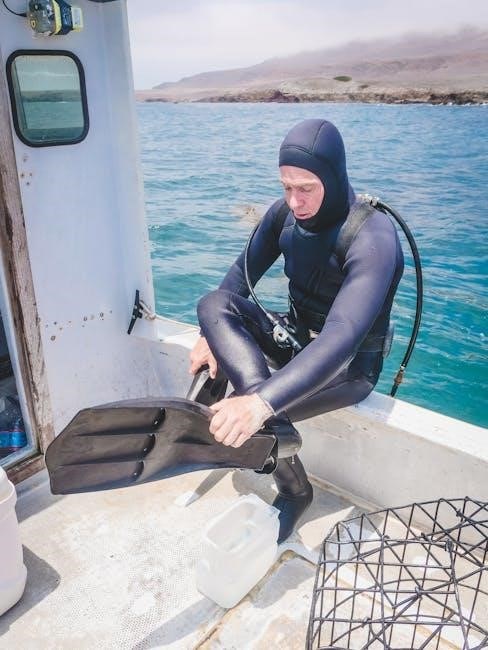
Water Temperature and Wetsuit Thickness Correlation
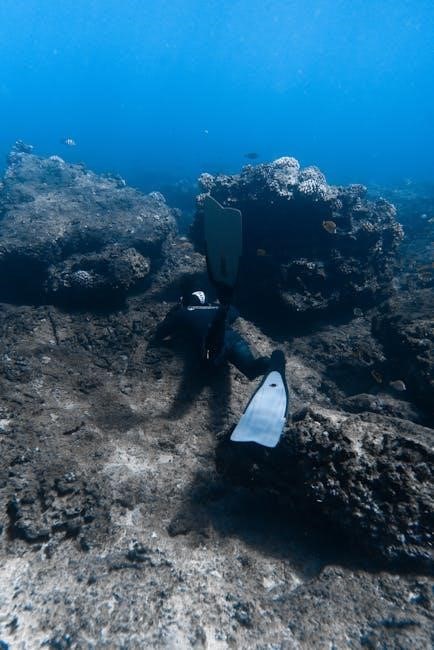
Matching your wetsuit thickness to water temperature is vital for thermal comfort and safety during dives․ This correlation ensures optimal warmth‚ preventing hypothermia and extending dive times․
Water Temperature Ranges and Corresponding Thicknesses
Determining the appropriate wetsuit thickness hinges on precise water temperature․ Above 82․4°F (28°C)‚ minimal thermal protection is needed; a bathing suit‚ rashguard‚ or UV protective dive skin suffices for comfortable diving․ As temperatures drop to 77-82°F (25-28°C)‚ a rashguard or dive skin provides adequate coverage․
For waters between 73-77°F (23-25°C)‚ a 1-2mm wetsuit jacket or short john offers a balance of warmth and flexibility․ Descending into 68-73°F (20-23°C) waters necessitates a 2mm spring suit․ When temperatures fall to 64-68°F (18-20°C)‚ a 3/2mm full wetsuit becomes essential for maintaining core body temperature․
Further cooling to 60-64°F (15-18°C) demands a 4/3mm full wetsuit‚ providing substantial insulation․ In colder conditions‚ 54-60°F (12-15°C)‚ a 5/4mm or 7mm full wetsuit is recommended․ Finally‚ below 50°F (10°C)‚ a 7mm full wetsuit‚ coupled with a hood and gloves‚ is crucial for preventing dangerous heat loss and ensuring a safe‚ enjoyable dive․
Above 82․4°F (28°C): Minimal Protection
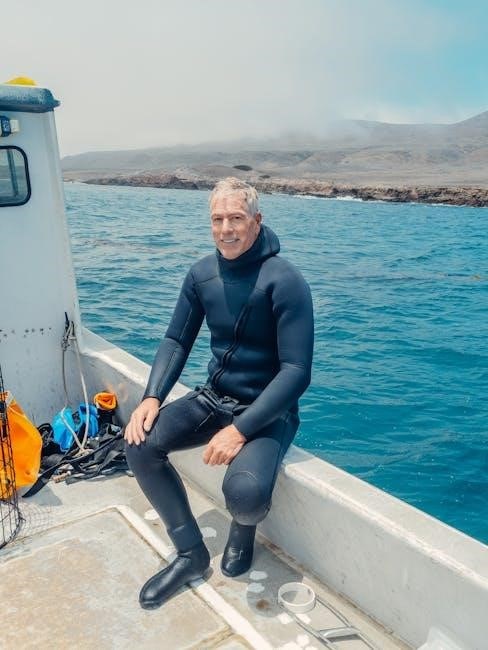
Diving in waters exceeding 82․4°F (28°C) presents a unique scenario – overheating can become a concern‚ rather than hypothermia․ In these balmy conditions‚ the need for substantial thermal protection diminishes significantly․ A full wetsuit is generally unnecessary and can actually hinder comfort by causing excessive sweating and restricting movement․
Instead‚ divers can comfortably opt for minimal coverage․ A simple bathing suit provides ample freedom and allows for efficient heat dissipation․ For those seeking a slight layer of protection against minor abrasions or sun exposure‚ a rashguard or UV protective dive skin is an excellent choice․ These lightweight options offer a subtle barrier without compromising thermal comfort․
Remember‚ even in warm waters‚ prolonged exposure can lead to sunburn‚ so a rashguard with UV protection is highly recommended․ Prioritizing comfort and freedom of movement is key when diving in these tropical temperatures‚ making minimal protection the ideal approach․
77-82°F (25-28°C): Rashguard or Dive Skin
When water temperatures range between 77-82°F (25-28°C)‚ a full wetsuit often feels restrictive and overly warm․ Divers in these conditions typically find sufficient comfort and protection with a rashguard or a specialized dive skin․ These options strike a balance between thermal regulation and freedom of movement‚ enhancing the overall diving experience․
A rashguard‚ originally designed for surfing‚ provides a lightweight layer that shields against minor abrasions‚ jellyfish stings‚ and sun exposure․ Dive skins‚ constructed from slightly thicker materials‚ offer a bit more insulation while remaining breathable and flexible․ Both options allow for excellent range of motion‚ crucial for maneuvering underwater․
Consider the duration of your dive; longer immersions might benefit from a dive skin for a touch more warmth․ UV protection is also a key factor‚ especially in tropical locations․ Choosing a rashguard or dive skin with a UPF rating safeguards your skin from harmful sun rays․ These minimal layers are ideal for warm-water exploration!
73-77°F (23-25°C): 1-2mm Wetsuit Jacket or Short John
For water temperatures between 73-77°F (23-25°C)‚ a full wetsuit can still feel excessive for many divers․ Instead‚ a 1-2mm wetsuit jacket or a short john provides a comfortable balance of warmth and flexibility․ These options offer core body protection while allowing greater freedom of movement in the arms and legs․
A wetsuit jacket covers the torso and arms‚ ideal for divers who tend to feel the cold in their core․ A short john‚ featuring short legs and sleeves‚ offers similar protection but leaves the legs exposed‚ which can be preferable in slightly warmer conditions․ Both are constructed from neoprene‚ trapping a thin layer of water against the skin that is then warmed by body heat․
Consider layering if you are prone to feeling cold․ Pairing a 1mm jacket with a rashguard can provide additional insulation․ The choice between a jacket and a short john often comes down to personal preference and the specific dive site conditions․ These versatile options are perfect for moderate-temperature dives!
68-73°F (20-23°C): 2mm Spring Suit
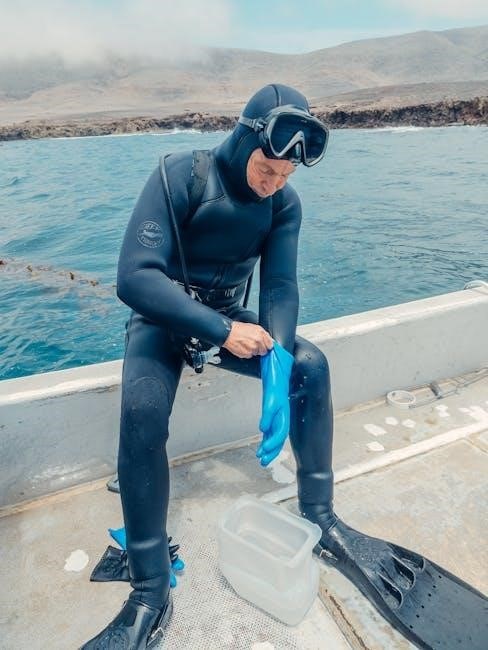
When water temperatures fall into the 68-73°F (20-23°C) range‚ a 2mm spring suit emerges as an excellent choice for scuba divers․ Spring suits offer a compelling balance between thermal protection and flexibility‚ making them ideal for moderate conditions․ These suits typically feature short sleeves and short legs‚ providing coverage for the core while allowing unrestricted movement in the extremities․
The 2mm neoprene thickness provides sufficient insulation to prevent rapid heat loss‚ particularly during longer dives․ Spring suits are favored by divers who prioritize agility and range of motion‚ as they don’t restrict movement like a full wetsuit․ They are particularly well-suited for shallower dives or dives in calmer waters where significant heat loss isn’t a major concern․
Consider adding neoprene socks or a thin hood if you are susceptible to feeling cold in your hands or feet․ Spring suits are a versatile option‚ offering a comfortable and efficient way to enjoy diving in moderately cool waters․ They represent a sweet spot for many divers!
64-68°F (18-20°C): 3/2mm Full Wetsuit
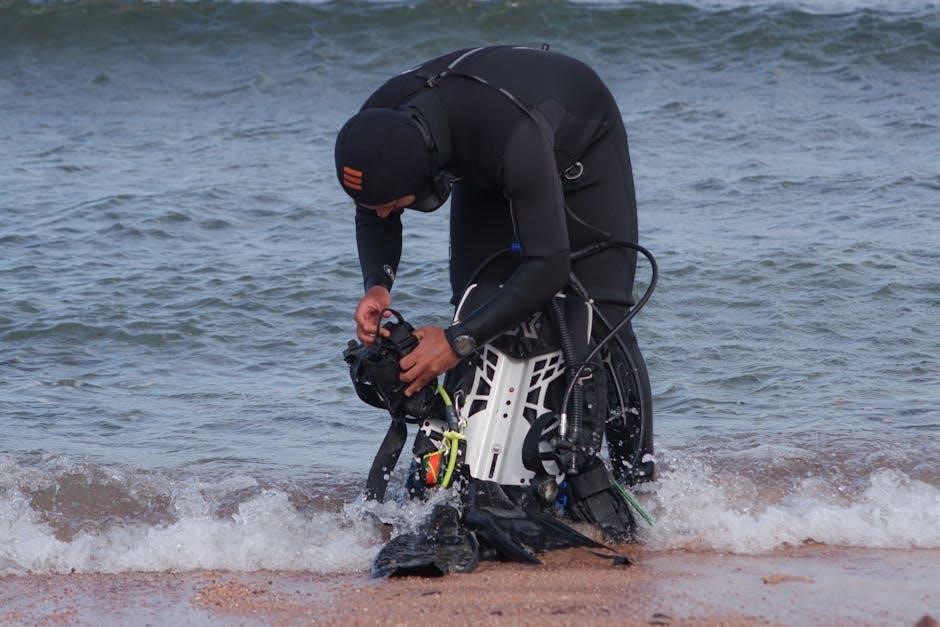
As water temperatures dip into the 64-68°F (18-20°C) bracket‚ a 3/2mm full wetsuit becomes the recommended choice for most scuba divers․ This thickness provides a substantial increase in thermal protection compared to a spring suit‚ safeguarding against noticeable heat loss during extended underwater excursions․ The “3/2mm” designation indicates varying neoprene thicknesses across the suit – typically 3mm for the torso and 2mm for the limbs‚ optimizing both warmth and flexibility․
A full wetsuit offers complete coverage‚ minimizing exposed skin and maximizing insulation․ This is particularly important in cooler waters where even small areas of exposure can lead to discomfort and hypothermia․ The 3/2mm configuration strikes a balance‚ providing ample warmth without overly restricting movement․
Divers sensitive to the cold or planning longer‚ deeper dives within this temperature range may consider adding neoprene gloves and boots for enhanced protection․ A hood can also be beneficial․ Prioritizing a snug‚ well-fitted suit is crucial for maximizing its insulating properties and ensuring a comfortable dive․
60-64°F (15-18°C): 4/3mm Full Wetsuit
When the water temperature falls into the 60-64°F (15-18°C) range‚ a 4/3mm full wetsuit is generally considered the standard for comfortable and safe scuba diving․ This increased thickness provides significantly more thermal protection than a 3/2mm suit‚ crucial for maintaining core body temperature during prolonged exposure to cooler waters․ The designation “4/3mm” signifies 4mm neoprene in the torso area for enhanced warmth‚ and 3mm neoprene in the limbs for improved flexibility and range of motion․
A full wetsuit is essential in these temperatures‚ ensuring complete body coverage and minimizing heat loss․ Divers should prioritize a snug fit to reduce water flushing‚ which can dramatically decrease the suit’s effectiveness․ Consider neoprene hoods‚ gloves‚ and boots to protect extremities‚ as these areas are particularly susceptible to cooling․
For extended dives or those prone to feeling cold‚ layering with a thin neoprene vest under the wetsuit can provide an extra layer of insulation․ Proper wetsuit maintenance‚ including rinsing and storing correctly‚ will also contribute to its longevity and performance․
54-60°F (12-15°C): 5/4mm or 7mm Full Wetsuit
Diving in water temperatures between 54-60°F (12-15°C) necessitates a substantial increase in thermal protection․ A 5/4mm or even a 7mm full wetsuit is highly recommended to prevent hypothermia and maintain comfortable body temperature during your underwater explorations․ The 5/4mm suit offers 5mm neoprene in the core body for maximum warmth‚ paired with 4mm neoprene in the arms and legs for flexibility․
However‚ for colder individuals or longer dives‚ a 7mm full wetsuit provides superior insulation․ Regardless of the chosen thickness‚ a snug‚ second-skin fit is paramount to minimize water circulation․ This temperature range requires full body coverage; shorties or spring suits are insufficient․
Essential accessories include a neoprene hood (5mm or thicker)‚ gloves (3-5mm)‚ and boots (5-7mm) to protect extremities․ Consider a neoprene vest for added core warmth․ Proper care‚ including thorough rinsing after each dive and appropriate storage‚ will extend the life and effectiveness of your wetsuit․
Below 50°F (10°C): 7mm Full Wetsuit with Hood and Gloves
Venturing into waters below 50°F (10°C) demands the highest level of thermal protection․ A 7mm full wetsuit is the absolute minimum requirement‚ and even then‚ it must be paired with essential accessories to prevent dangerous heat loss․ This thickness provides a significant barrier against the frigid temperatures‚ but exposed skin can quickly lead to hypothermia․
A 5mm or 7mm neoprene hood is non-negotiable‚ as a significant amount of body heat is lost through the head․ Similarly‚ 5mm neoprene gloves are crucial for maintaining dexterity and preventing numb fingers․ Don’t forget 5-7mm neoprene boots to protect your feet from the cold․
Consider adding a neoprene vest under your wetsuit for an extra layer of insulation․ A tight‚ secure fit is even more critical at these temperatures to minimize water flushing․ Regularly check your suit for tears or damage‚ and prioritize post-dive care to ensure longevity and optimal performance․ Safety is paramount in extreme cold!
Types of Wetsuits and Their Thicknesses
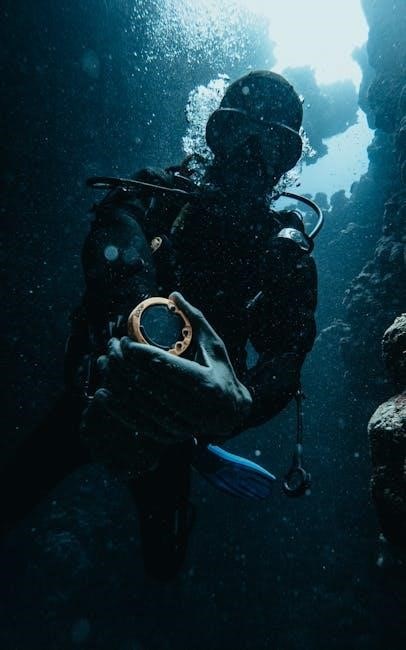
Wetsuits come in various styles‚ each suited for different conditions․ Full suits offer complete coverage‚ shorties are for warmer waters‚ and spring suits balance flexibility and warmth․ Hooded wetsuits are vital in cold water․
Full Wetsuits: The Standard Choice
Full wetsuits represent the most common and versatile option for scuba divers‚ providing comprehensive thermal protection across the entire body․ These suits typically cover the torso‚ arms‚ and legs‚ minimizing heat loss and extending dive times in cooler waters․ The thickness of a full wetsuit varies significantly‚ ranging from 1mm for tropical conditions to 7mm or more for frigid environments․
3/2mm full wetsuits are popular for warmer temperate waters‚ offering a balance between insulation and flexibility․ Divers encountering temperatures between 64-68°F (18-20°C) often find this thickness ideal․ Stepping up to a 4/3mm full wetsuit provides increased warmth for waters around 60-64°F (15-18°C)‚ while 5/4mm or even 7mm full wetsuits are essential for colder conditions below 54°F (12°C)․
When selecting a full wetsuit‚ consider the material․ Traditional neoprene offers excellent insulation‚ but newer options like Yulex are gaining popularity due to their sustainability and comparable thermal properties․ A proper fit is paramount; the wetsuit should fit snugly like a second skin to maximize its insulating capabilities and prevent water flushing․ Remember that layering with additional accessories like hoods‚ gloves‚ and boots can further enhance thermal protection when using a full wetsuit in extremely cold water․
Shorty Wetsuits: For Warmer Waters
Shorty wetsuits are designed for diving in tropical and subtropical waters where full body coverage isn’t necessary․ These suits typically feature short sleeves and short legs‚ offering a balance between thermal protection and freedom of movement․ They are an excellent choice for divers who want to avoid overheating while still benefiting from some insulation and protection from marine life․
Generally‚ shorty wetsuits are constructed from 1mm to 3mm neoprene․ A 1-2mm shorty is suitable for water temperatures consistently above 77°F (25°C)‚ providing minimal thermal protection but shielding against minor abrasions and sun exposure․ Divers in waters between 73-77°F (23-25°C) might opt for a slightly thicker 2mm shorty for added warmth․
The primary advantage of a shorty is its comfort and flexibility‚ making it ideal for leisurely dives and snorkeling․ However‚ it’s crucial to remember that shorties offer limited thermal protection․ Divers should always assess water temperature and personal cold tolerance before relying on a shorty․ Consider layering with a rashguard for additional sun protection or a thin wetsuit jacket if conditions are slightly cooler․ Proper fit is still important to minimize water flushing and maximize comfort․
Spring Suits: A Balance of Coverage and Flexibility
Spring suits represent a versatile middle ground in wetsuit design‚ offering a blend of thermal protection and unrestricted movement․ Typically featuring short sleeves and long legs (or sometimes full-length sleeves and short legs)‚ they’re ideal for temperate waters where a full wetsuit might be too warm‚ but a shorty isn’t quite enough․
Most spring suits are constructed from 2mm neoprene‚ providing sufficient insulation for water temperatures ranging from 68-73°F (20-23°C)․ This thickness allows for comfortable diving without causing excessive overheating․ The long legs offer core body warmth‚ while the short sleeves enhance mobility for tasks like camera operation or buoyancy control․
Spring suits are popular among divers who prioritize flexibility and range of motion․ They’re a great choice for dives involving a lot of swimming or maneuvering in tight spaces․ While not as thermally protective as full wetsuits‚ they offer a significant improvement over rashguards or shorties in cooler conditions․ As with all wetsuits‚ a snug fit is essential to minimize water flushing and maximize warmth․ Consider layering with a hooded vest for added protection in slightly colder waters․
Hooded Wetsuits: Essential for Cold Water Diving
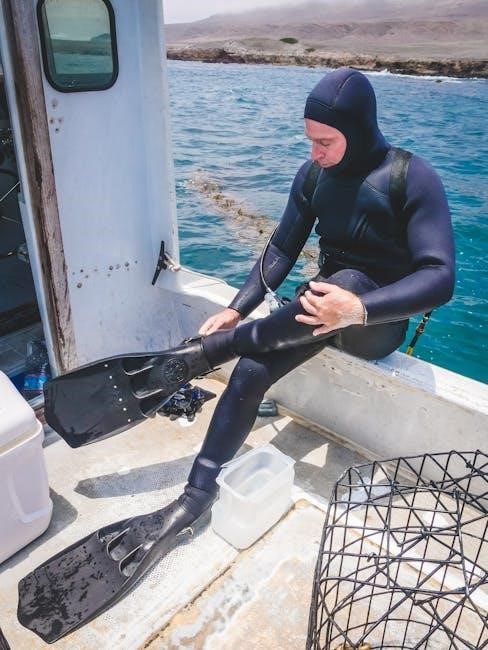
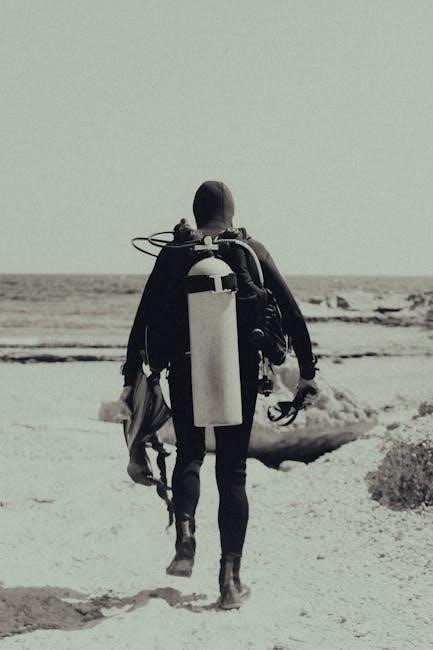
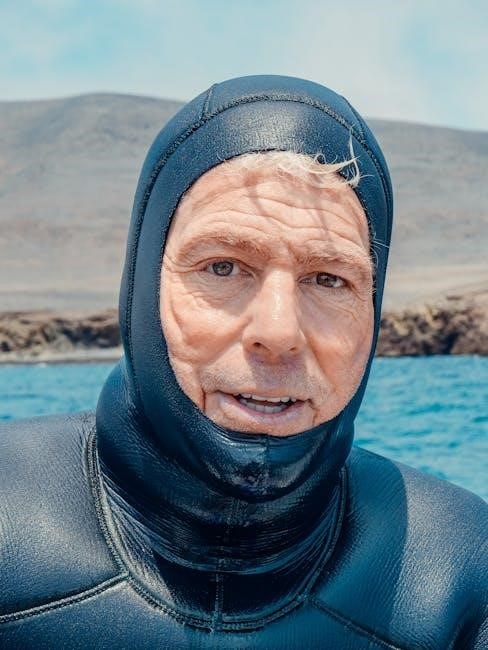
Hooded wetsuits are a non-negotiable piece of equipment when venturing into colder waters‚ typically below 60°F (15°C)․ A significant amount of body heat is lost through the head‚ making a hood crucial for maintaining core temperature and preventing hypothermia․ These suits integrate a neoprene hood directly into the wetsuit design‚ creating a watertight seal that minimizes water circulation and heat loss․
Often paired with 5mm or 7mm wetsuits‚ hooded versions provide comprehensive thermal protection․ The hood itself is usually constructed from the same neoprene thickness as the suit‚ ensuring consistent insulation․ Some hoods feature a smooth skin interior for enhanced comfort and ease of donning/doffing․
Beyond warmth‚ a hooded wetsuit offers protection from abrasions and marine life․ When selecting a hooded suit‚ prioritize a snug‚ yet comfortable fit․ Ensure the hood seals properly around the face without restricting vision or breathing․ Gloves and boots are also essential companions for cold water dives‚ completing the thermal protection system․ Investing in a quality hooded wetsuit is a vital step towards safe and enjoyable cold-water diving․
Additional Considerations for Wetsuit Selection
Beyond temperature‚ consider personal cold tolerance‚ dive duration‚ and depth․ A snug‚ second-skin fit is vital for optimal insulation․ Explore neoprene versus Yulex material options for comfort and sustainability․
Personal Cold Tolerance
Individual sensitivity to cold varies significantly‚ impacting wetsuit selection․ Factors like body fat percentage‚ metabolism‚ and acclimatization play crucial roles․ Divers with lower body fat or slower metabolisms generally feel colder and require thicker neoprene․
Experienced divers who frequently enter cold water may have acclimatized‚ requiring less insulation than those new to cooler temperatures․ Consider your typical comfort level in cool environments outside of diving․ If you routinely feel cold‚ err on the side of a thicker wetsuit․
Furthermore‚ certain medical conditions can affect cold tolerance․ Individuals with circulatory issues may experience reduced blood flow to extremities‚ increasing susceptibility to cold stress․ It’s essential to be honest with yourself about your cold tolerance and prioritize thermal protection accordingly․
Don’t rely solely on water temperature charts․ These provide a general guideline‚ but your personal experience is paramount․ A wetsuit that feels comfortable on one diver might be inadequate for another․ Prioritize your well-being and choose a wetsuit that keeps you warm and comfortable throughout your dive․
Remember‚ shivering is a sign of hypothermia‚ even in seemingly moderate water temperatures․ A properly fitted‚ appropriately thick wetsuit is a vital component of safe and enjoyable scuba diving․
Dive Duration and Depth
Longer dives necessitate thicker wetsuits․ Extended exposure to water‚ even at moderate temperatures‚ increases heat loss․ A 3/2mm suit might suffice for a short recreational dive‚ but a 5/4mm or 7mm suit is preferable for extended bottom times or multiple dives․
Depth also significantly impacts thermal comfort․ As you descend‚ water pressure increases‚ compressing the neoprene in your wetsuit․ This compression reduces its insulating properties‚ making you feel colder․ Deeper dives require thicker neoprene to maintain adequate thermal protection․
Consider the cumulative effect of multiple dives․ Repeated exposure to cold water‚ even with a seemingly adequate wetsuit‚ can lead to gradual heat loss and increased risk of hypothermia․ Factor in surface intervals and potential exposure during boat rides․
Planning a drift dive? The current can accelerate heat loss‚ requiring a thicker wetsuit than you might normally choose for the given water temperature․ Anticipate potential challenges and adjust your gear accordingly․
Ultimately‚ a conservative approach is best․ If you’re unsure‚ opt for a thicker wetsuit․ Being slightly warmer is far preferable to being cold and uncomfortable underwater․ Prioritize safety and enjoyment by selecting a wetsuit appropriate for your planned dive profile․
Fit and Sizing: Achieving a Second-Skin Feel
A properly fitting wetsuit is paramount for thermal protection and comfort․ It should feel like a second skin – snug‚ but not constricting․ Gaps between the wetsuit and your body allow water to flush in‚ reducing its insulating effect․
Incorrect sizing leads to discomfort‚ restricted movement‚ and increased heat loss․ Too loose‚ and water circulation negates the wetsuit’s warmth․ Too tight‚ and it can impede circulation and cause chafing․
Pay attention to key areas: neck‚ wrists‚ and ankles․ These are common entry points for water․ Seals should be snug but not overly tight‚ preventing water from flushing through․
Try on the wetsuit with minimal undergarments․ Consider the thickness of any thermal layers you plan to wear beneath it․ Movement is crucial; simulate diving motions to ensure a full range of motion․
Don’t rely solely on size charts․ Body shapes vary‚ so a trial fitting is essential․ Seek assistance from experienced staff at a dive shop for proper sizing and adjustments․ A well-fitted wetsuit dramatically enhances your diving experience․
Material Variations: Neoprene vs․ Yulex
Traditionally‚ neoprene has been the dominant material in wetsuit construction․ It’s a synthetic rubber offering excellent thermal insulation‚ flexibility‚ and durability․ However‚ neoprene production isn’t environmentally friendly‚ relying on petroleum-based resources․
Yulex‚ a sustainable alternative‚ is gaining popularity․ Derived from the rubber tree‚ it’s a plant-based material offering comparable thermal properties to neoprene․ Yulex wetsuits are significantly more eco-friendly‚ reducing reliance on fossil fuels․
While Yulex initially had limitations in stretch and durability‚ advancements have narrowed the gap with neoprene․ Modern Yulex blends often incorporate small amounts of synthetic rubber to enhance performance․
Neoprene generally remains more affordable‚ but the price difference is decreasing as Yulex production scales․ Consider your environmental priorities when choosing between the two materials․
Both materials are available in various thicknesses and constructions․ Ultimately‚ the best choice depends on your budget‚ diving conditions‚ and commitment to sustainability․ Yulex represents a positive step towards eco-conscious diving․
Leave a Reply
You must be logged in to post a comment.